

For decades, K-8 education has relied on a predictable but effective loop: assign a task, grade the output, repeat. Today, that traditional loop is broken.
Generative AI provides shortcuts that go beyond assistance with research. A 2026 Pew Research Center report found that 54% of U.S. teens had used AI chatbots for help with schoolwork. Though the usage doesn’t present an immediate issue, students are misusing the tools in order to cheat. In the 2024 Time for Class survey, 50% of students said they would be neutral, likely, or extremely likely to continue using generative AI even if their instructor or institution banned it. Teachers know that this is happening among younger students, too. In fact, a 2024 study by Impact Research for Center for Democracy & Technology found that 67% of K-12 teachers are concerned about the amount of AI cheating among their students.
AI tools are generating the final product for students, and the students themselves have to do little beyond writing a short prompt. When school assessments only value a polished, static submission, students are naturally tempted to let a chatbot do the heavy lifting.
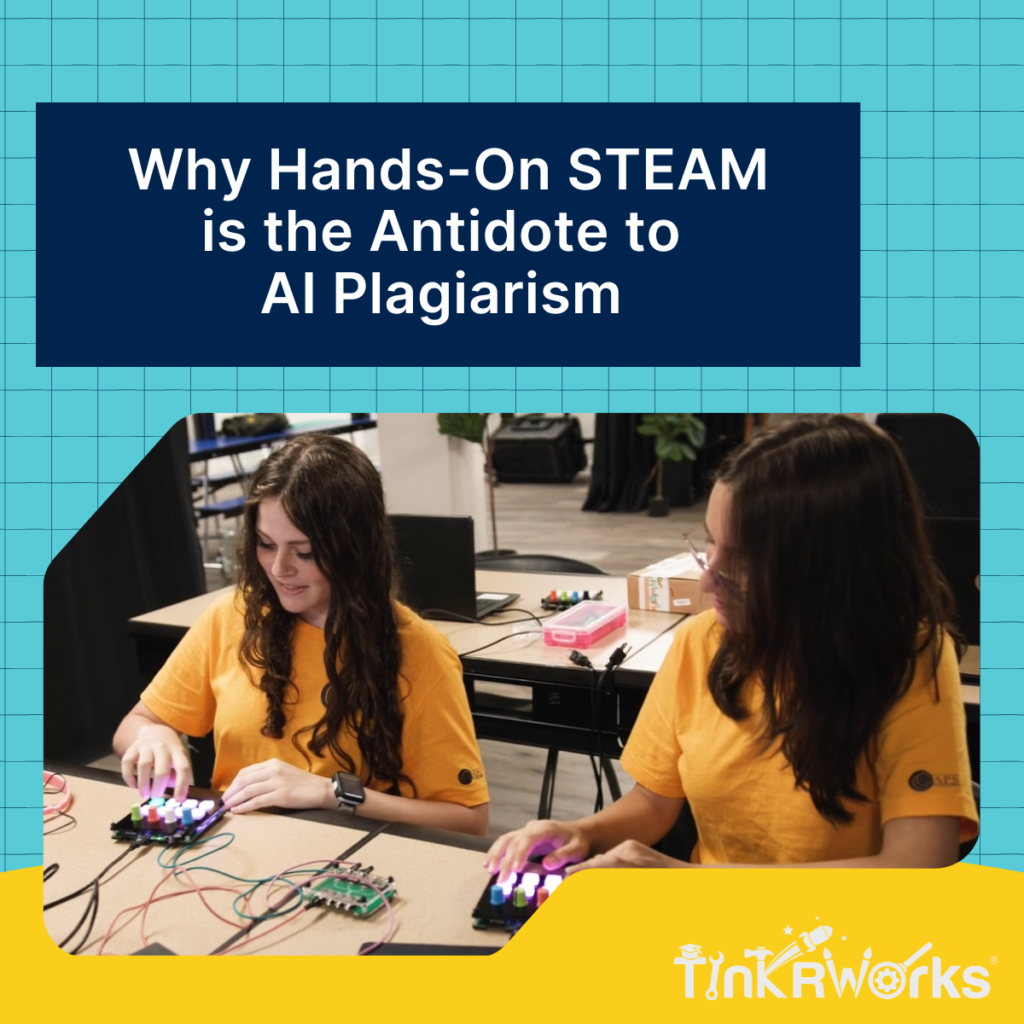
Can schools eliminate AI cheating by removing digital devices?
No, sweeping bans on technology in the classroom is not the solution. A return to purely analog, paper-and-pencil learning might seem like the simplest way to prevent AI-facilitated cheating, but this is a step in the wrong direction. Students will be expected to use technology in the workforce someday, regardless of what industry they plan to enter. In order to be prepared to use the tools and applications in a real-world setting, they need exposure and practice in a learning-focused environment. Honing and sharpening these skills at an early age will set them up for success beyond the classroom.
This leaves educators walking a tightrope: how do we guide students toward cutting-edge technology while ensuring they still think for themselves? How do we prevent AI from replacing critical thinking without outlawing tech altogether?
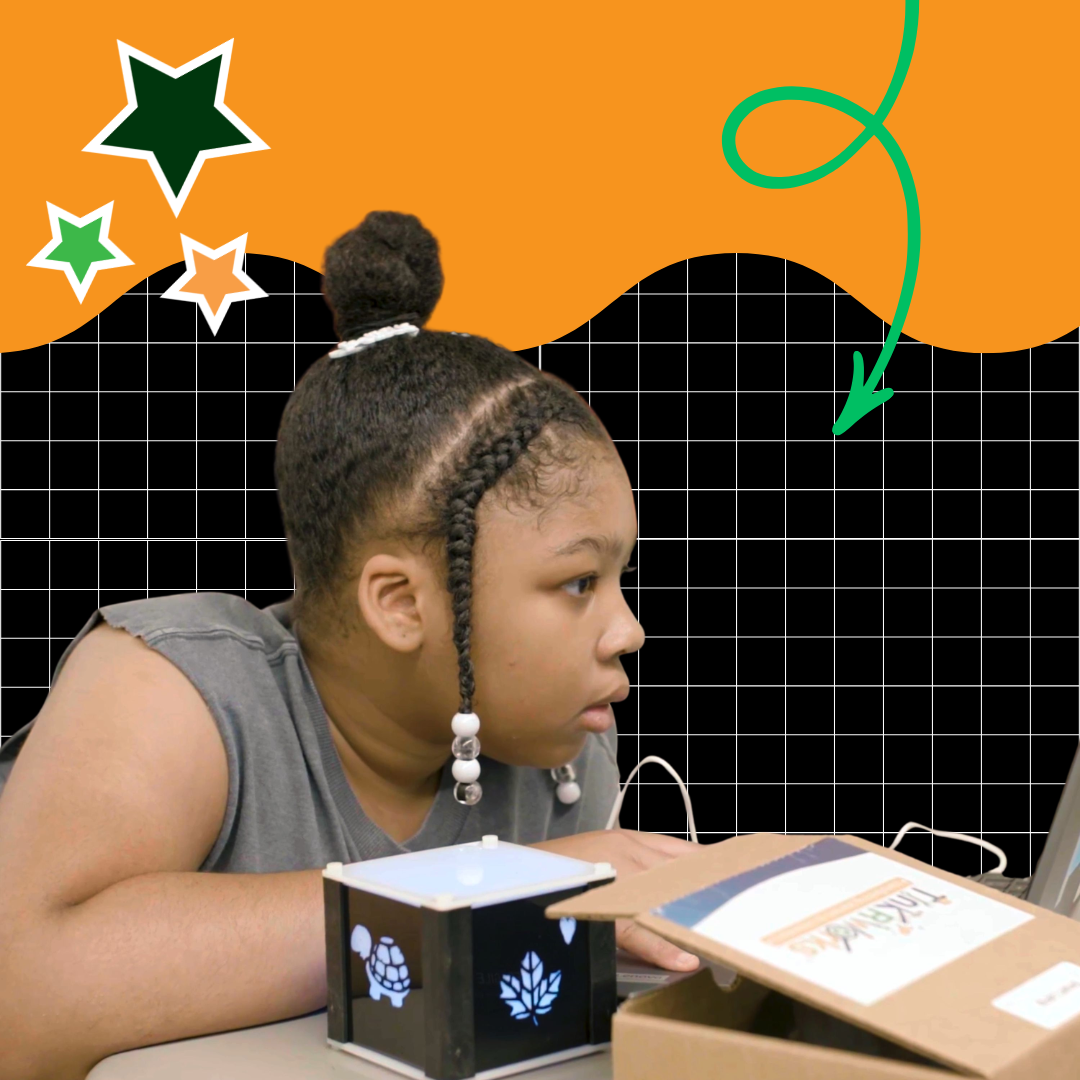
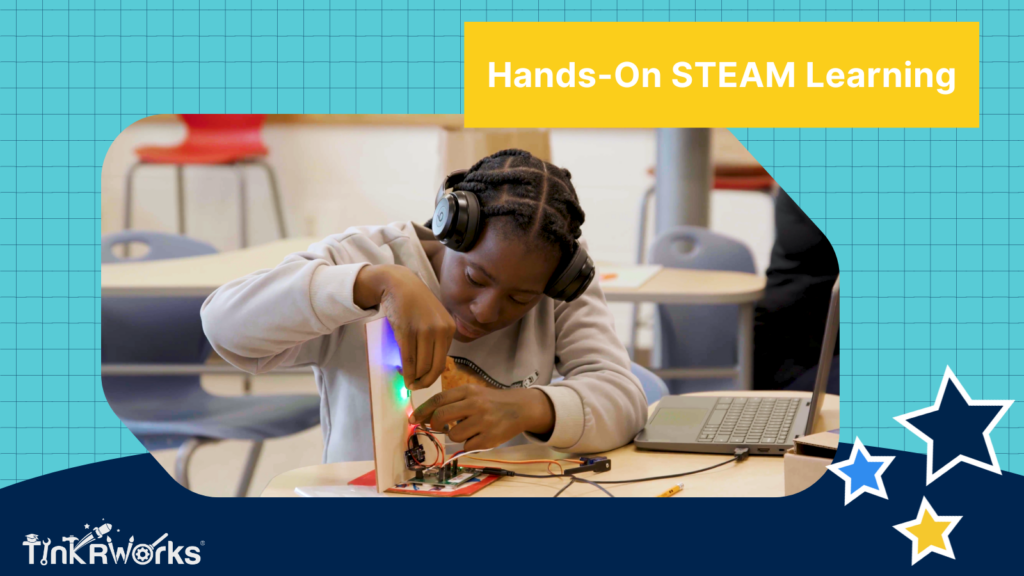
We must design learning experiences that AI cannot manipulate because the value is built into the doing, not just the end result. By introducing robust, project-based learning into the curriculum, we swap out isolated outcome-based approaches like test-taking for active building, coding, and creating. When a student is deep in the zone physically wiring a circuit, troubleshooting a robotic scout, or collaborating with a peer to solve a tangible design flaw, they aren’t looking for a shortcut. The process of innovation is engaging both their minds and their hands, and the learning comes naturally from there.
How Do You Design an AI-Proof Learning Environment?
When AI can instantly provide the “right” answer, traditional question-and-answer format assignments lose their educational value. To guarantee true comprehension, we have to design learning experiences that require students to think through the reasoning themselves.
That is where Project-Based Learning (PBL) comes in. PBL shifts the focus from a static end product to an active, hands-on journey of research, experimentation, and critical problem-solving. Because this model evaluates every milestone—from initial brainstorming and structural design to the physical troubleshooting of a prototype—the learning cannot be outsourced to a chatbot. Educators can actively track a student’s progress and capabilities at every stage, making it easy to see exactly how their skills are growing in real-time.
The Core Elements of PBL:
A Driving Question: The project starts with an open-ended problem to solve (“How can we design an automated greenhouse to maximize crop yield?”).
Inquiry and Innovation: Students research, ask questions, and apply knowledge from multiple subjects (like math, science, and art) to find solutions.
Student Voice and Choice: Students have a say in how they solve the problem and what their final project looks like.
Critique and Revision: Much like real life, the first try rarely works perfectly. Students test their projects, give each other feedback, and improve their designs.
A Public Product: The project ends with students sharing their work, explanation, or physical creation with a real audience (classmates, parents, or community members).
What Crucial Skills Does Project-Based Learning Provide That AI Cannot?
Productive Failure
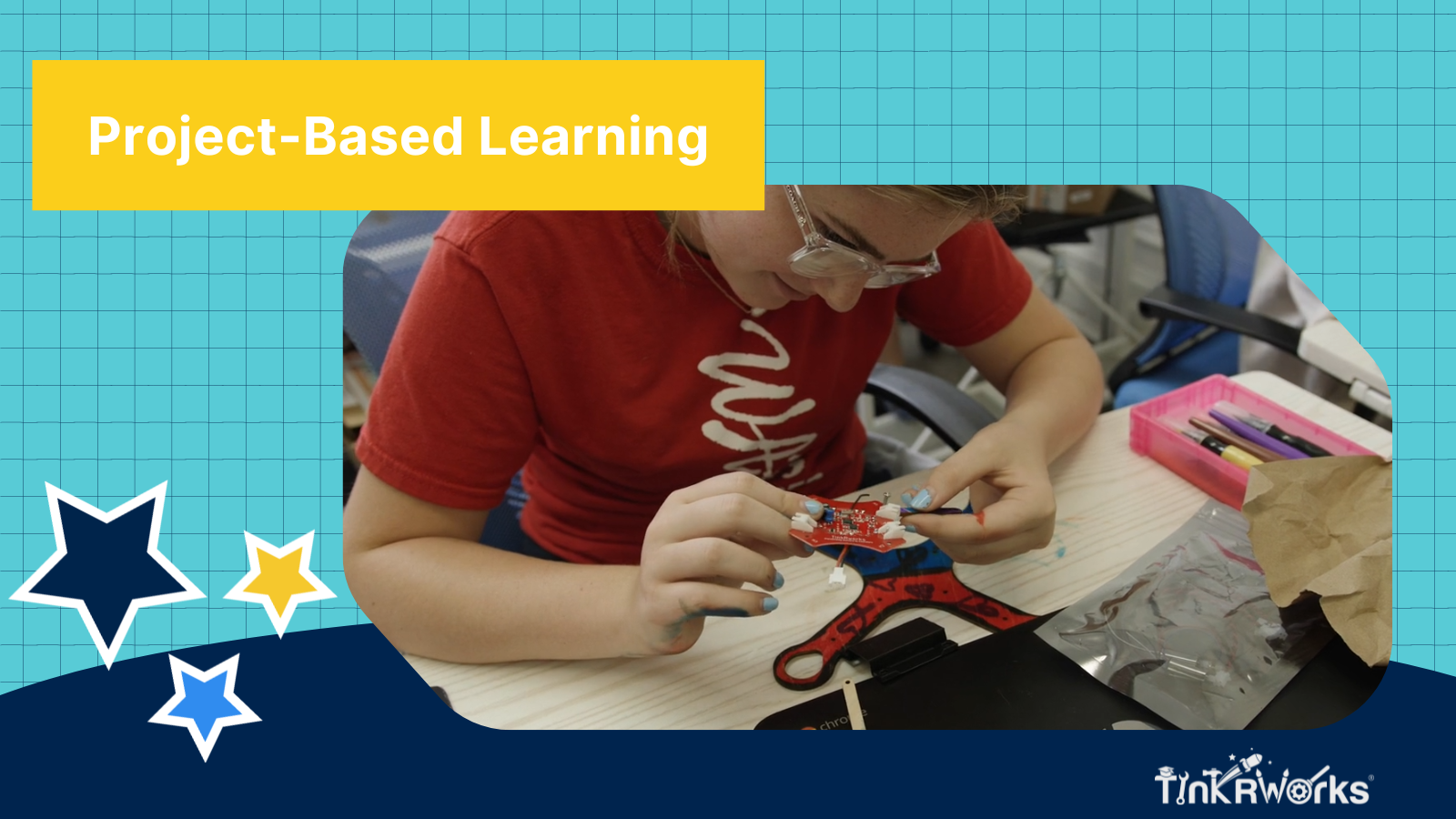
The process of learning from failure is called productive failure, and it is a core philosophy of TinkRworks. Failure is of the greatest catalysts to learning. Trial and error provide students with opportunities to practice critical thinking and cause-and-effect reasoning. These skills are valuable in all aspects of life, especially in a classroom or workforce setting. Productive failure teaches student resilience and perseverance in addition to creative problem solving, deductive reasoning, and logic. Practically speaking, a student experiences productive failure when troubleshooting an error in a code, fixing a drone stuck in a “death roll,” or understanding why a robot functioned perfectly in a sandbox setting but failed in the real world.
Authentic Collaboration
In solving problems, especially when encountering failure, students lean on their classmates and teachers for support, assistance, and guidance. This teaches them important collaboration skills, and it exposes students to other perspectives. From this, students develop communication and cooperation techniques that are useful beyond the classroom.
Tangible, Hands-On Skills
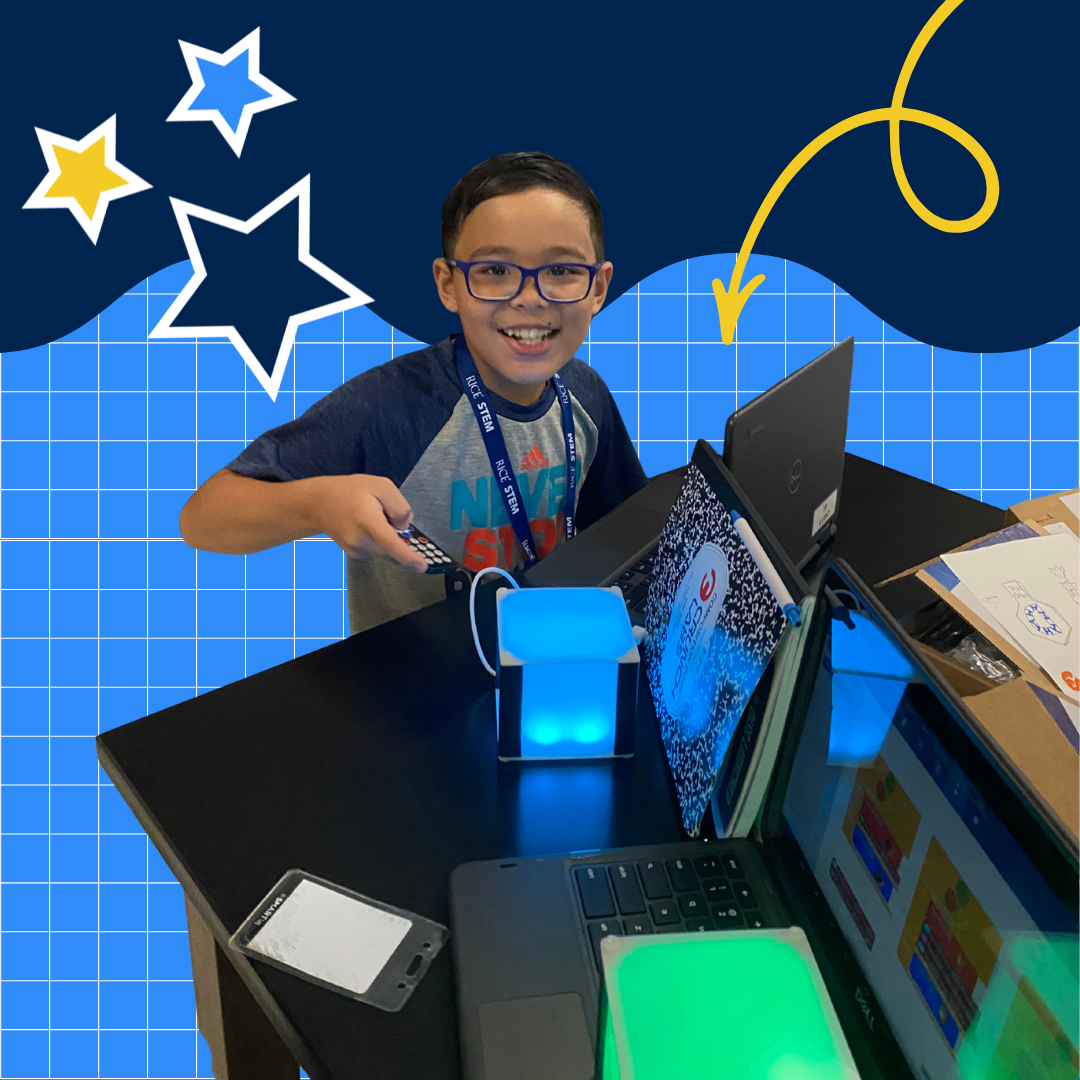
One skill that students absolutely cannot learn from AI alone is how to work with their hands. Putting fine motor skills into practice while manipulating physical wiring, circuit boards, or knobs and gears cannot happen by typing an AI prompt. The experience working with different materials and seeing how they interact with one another comes from the real-world application of PBL. All TinkRworks projects provide students with opportunities to engage with hands-on learning in this way.
Artistic Expression
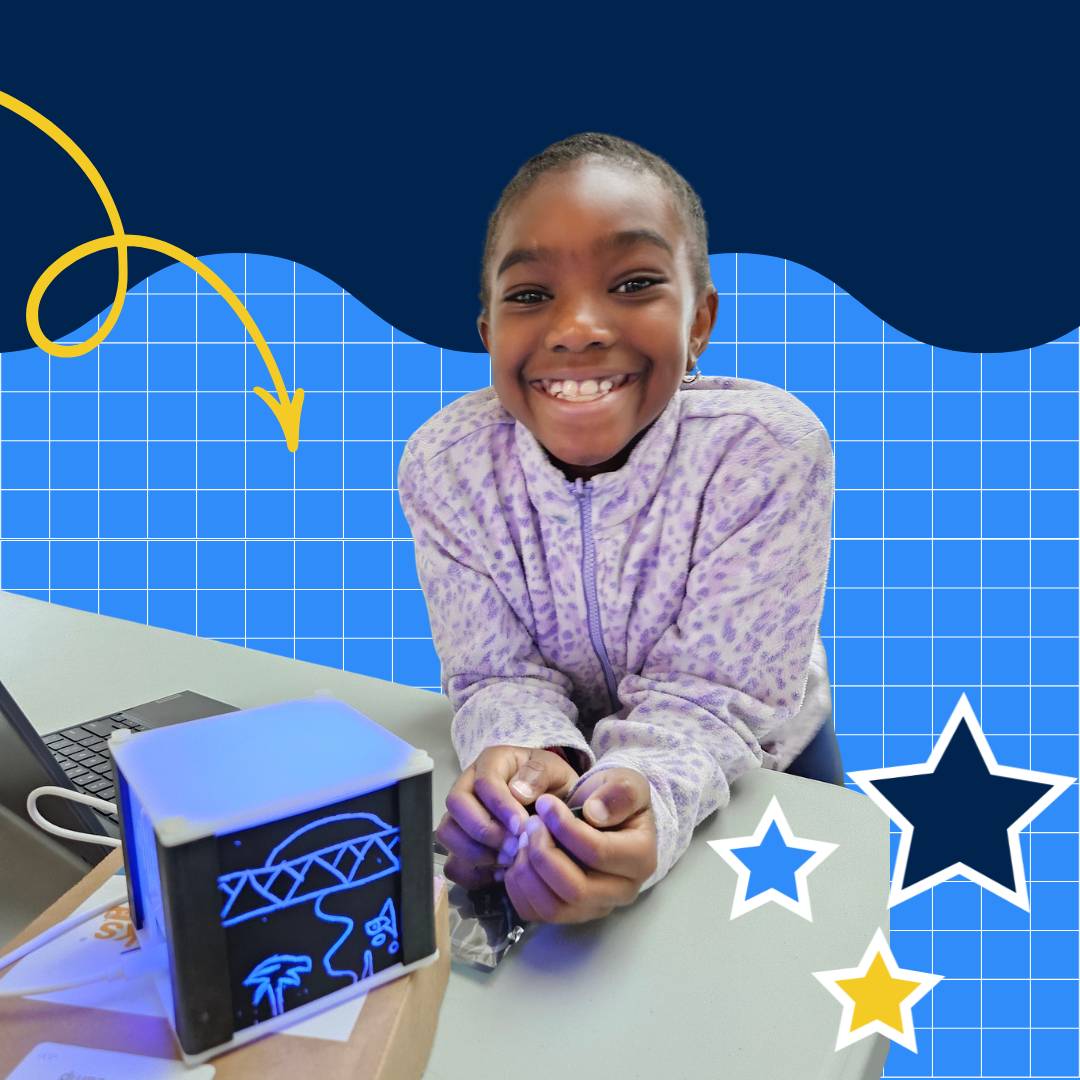
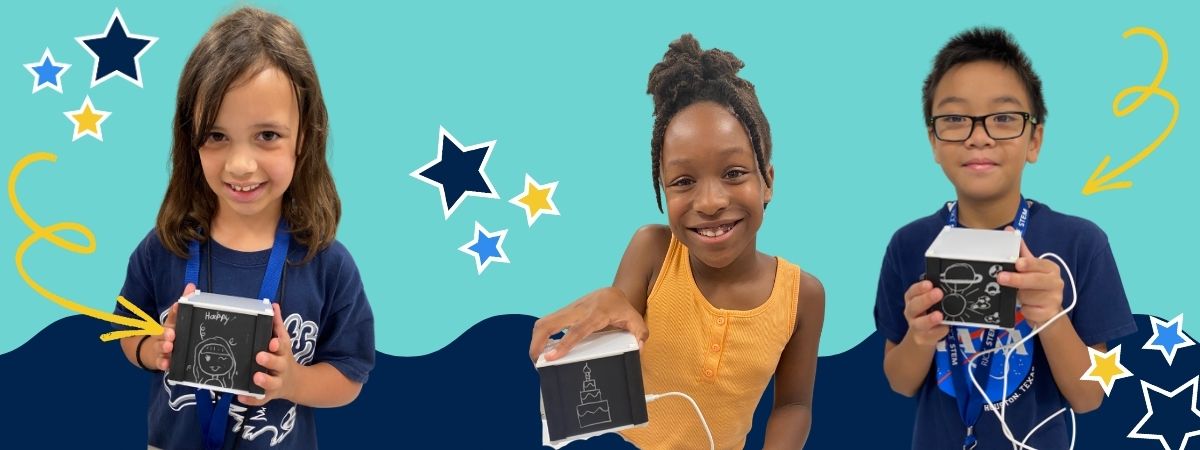
Many PBL projects are configured to offer students the opportunity to bring their creative visions to life. For example, Art Electric encompasses the coding elements that make up a STEM project but also incorporates artistic elements in line with a true STEAM approach. In learning how to create, students also learn how to design and configure their creations in a way that engages their artistic sides.
How Does TinkRworks Teach Advanced Technology Without Encouraging Cheating?
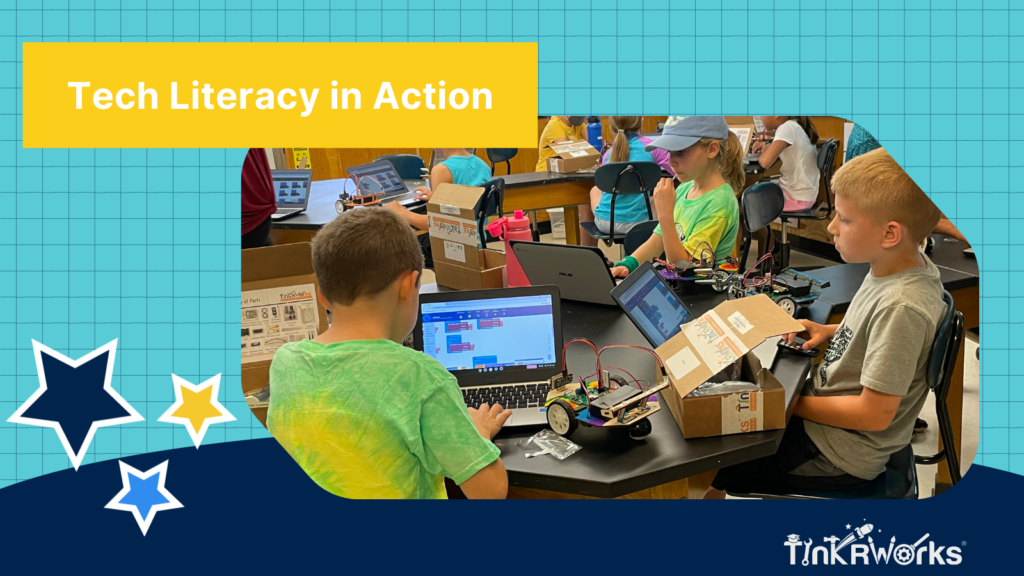
TinkRworks incorporates advanced technology by transforming students from passive consumers of AI outputs into active creators who program, configure, and control the underlying systems. By weaving physical hardware assembly together with programming languages like Python, technology becomes the canvas for innovation rather than a shortcut.
The importance of technological literacy for students cannot be overstated. This is what future-proofs a student’s education. That is why TinkRworks intentionally weaves programming, electronics, and cutting-edge concepts like machine learning directly into our curriculum.
What is the final solution to AI plagiarism in modern schools?
The ultimate solution to AI plagiarism is transitioning from outcome-based grading metrics to process-driven, project-based learning frameworks that celebrate student iteration over static end products. Artificial intelligence is only a threat to the classroom if our assignments remain simple enough for an algorithm to replicate. The best way to circumvent this issue is to implement multi-step projects that combine different media, encourage creativity, require hands-on engagement, and create opportunities for students to develop comprehensive real world skillsets.
AI is not going away, and neither is the temptation to misuse it — but the solution has always been within reach. By shifting from outcome-based assessments to process-driven, hands-on project learning, educators render the shortcut obsolete. The goal is not to outsmart the technology. It is to design experiences that make thinking, building, and creating too rewarding to skip.
Schedule a demo to see how that shift works in a real classroom setting with TinkRworks’ hands-on projects.